
The NDIS landscape can be confusing, and catheter and stoma care at home under the ndis is a topic that comes up regularly in conversations with participan
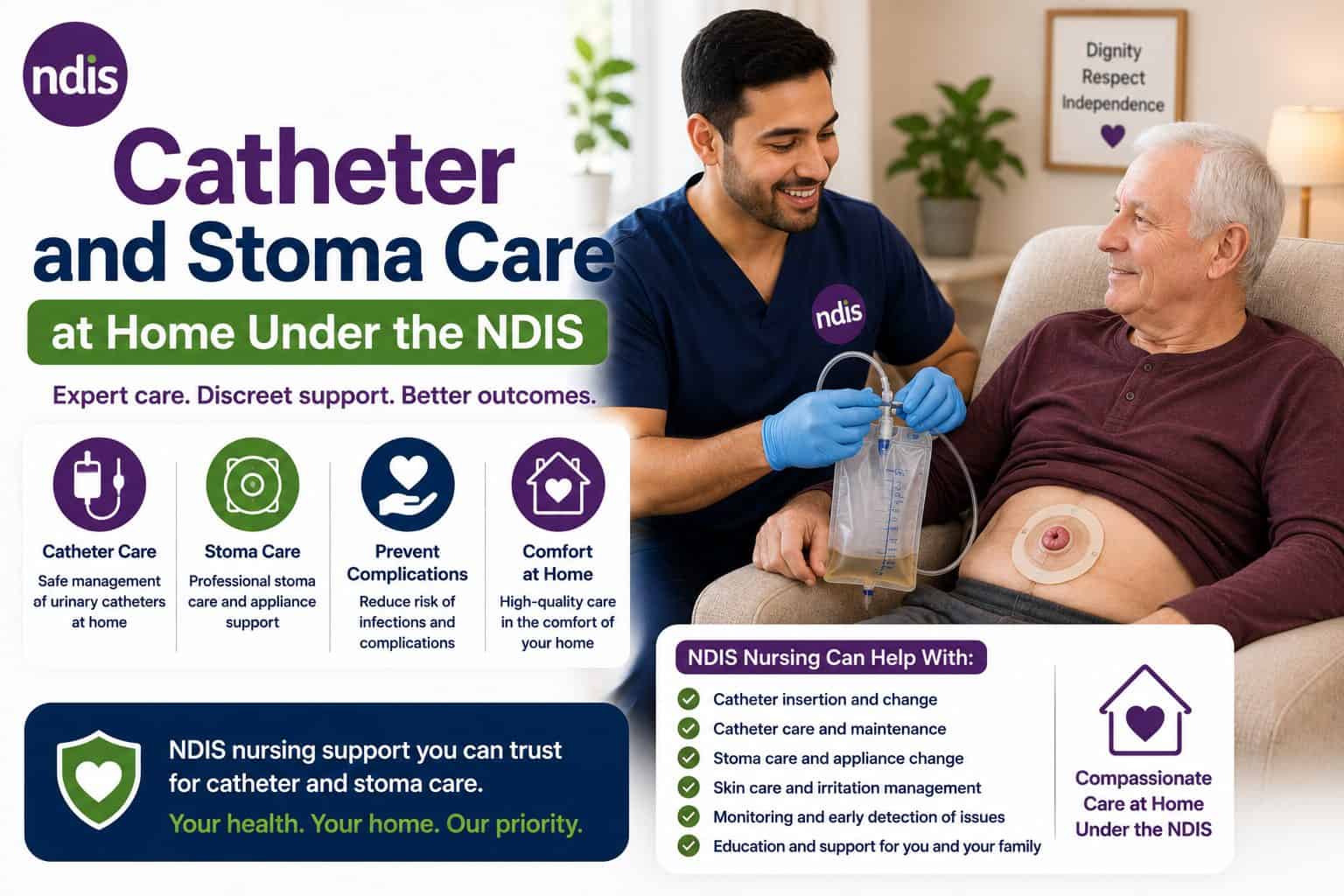
The NDIS landscape can be confusing, and catheter and stoma care at home under the ndis is a topic that comes up regularly in conversations with participants and families. This guide covers what you need to know in practical terms — no jargon, no fluff, just the information that actually helps.
At its core, catheter stoma care ndis is about making your NDIS plan work in practice. The gap between what's written in your plan and what actually happens in your daily life is where community nursing adds the most value.
Understanding how this works — and what good service delivery looks like — puts you in a stronger position. You can hold providers accountable, ask the right questions, and make informed decisions about your care.
In practice, community nursing involves regular contact between you and your nurse. This isn't a set-and-forget arrangement. Your nurse monitors your health, adjusts care plans, and communicates with your medical team.
The frequency and intensity of contact depends on your individual needs. Some participants need weekly visits; others are fine with fortnightly check-ins and availability by phone in between. The right balance is the one that keeps your supports running smoothly without over-servicing.
This is an area where consistent, skilled nursing care makes a measurable difference. When your nurse sees you regularly, they build a clinical picture of what's normal for you. They can identify changes early, adjust the care plan proactively, and coordinate with your GP or specialist before small issues become serious problems.
Participants often ask how long they'll need community nursing. The honest answer is: it depends. Some participants use the service for a defined period — during a health episode, after a hospital discharge, or while they're getting established with providers. Others benefit from ongoing clinical oversight for the long term.
Another common question is about cost. Community nursing is charged at NDIS Price Guide rates and comes from your Capacity Building budget. It doesn't reduce funding available for your other supports.
Getting community nursing right has a direct impact on your quality of life. Good nursing care keeps you healthy, out of hospital, and in control of your health management.
At MediHealth Connect, we deliver nursing across South East Queensland — Brisbane, Gold Coast, Logan, Ipswich, Moreton Bay, and the Redlands. If you'd like to know more about how we can help, get in touch for a no-obligation conversation.
This is an area where consistent, skilled nursing care makes a measurable difference. When your nurse sees you regularly, they build a clinical picture of what's normal for you. They can identify changes early, adjust the care plan proactively, and coordinate with your GP or specialist before small issues become serious problems.
Yes. Community nursing is funded under the Capacity Building section of your NDIS plan, specifically under Improved Health and Wellbeing. The amount of funding depends on your assessed needs and the complexity of care required.
Look for NDIS registration, AHPRA-registered nurses, local presence in your area, and a track record of consistent service. Ask about their experience with your specific health needs and how they handle communication with your broader care team.
Yes. Under the NDIS, you can switch providers at any time. There is no lock-in period. A professional provider will facilitate a smooth handover to your new service.
Making the most of your community nursing service comes down to a few practical habits. Keep a list of questions or concerns between visits so you don't forget to raise them when your nurse arrives. If you notice changes in your health — new symptoms, worsening of existing conditions, or side effects from medications — don't wait for the next scheduled visit. Call your provider and let them know.
Stay engaged with your care plan. Your nurse should share it with you and explain what each intervention is for. If you don't understand something, ask. The plan is there to serve you, not to sit in a folder.
Make sure your support coordinator, GP, and community nurse are all in communication. Gaps in communication are where things go wrong — a medication change that doesn't get passed on, a specialist recommendation that nobody follows up on. At MediHealth Connect, we proactively coordinate with your care team because we know how important it is.
Keep your NDIS plan accessible. Your nurse may need to reference it to confirm funding categories or check what services are covered. Having a copy at home saves time and avoids confusion.
When evaluating community nursing providers, the fundamentals matter more than marketing. Are the nurses AHPRA registered? Does the provider hold NDIS registration for the relevant support categories? Do they have experience with your specific clinical needs?
Beyond qualifications, ask about consistency. Will you see the same nurse regularly, or will different staff turn up each time? Consistency of care is one of the strongest predictors of good outcomes in community nursing — your nurse gets to know your baseline, your preferences, and your routine.
Ask about their communication practices. Do they send reports to your GP after each visit? Do they communicate with your support coordinator? Can you reach them by phone between scheduled visits if something urgent comes up?
MediHealth Connect provides community nursing across South East Queensland.